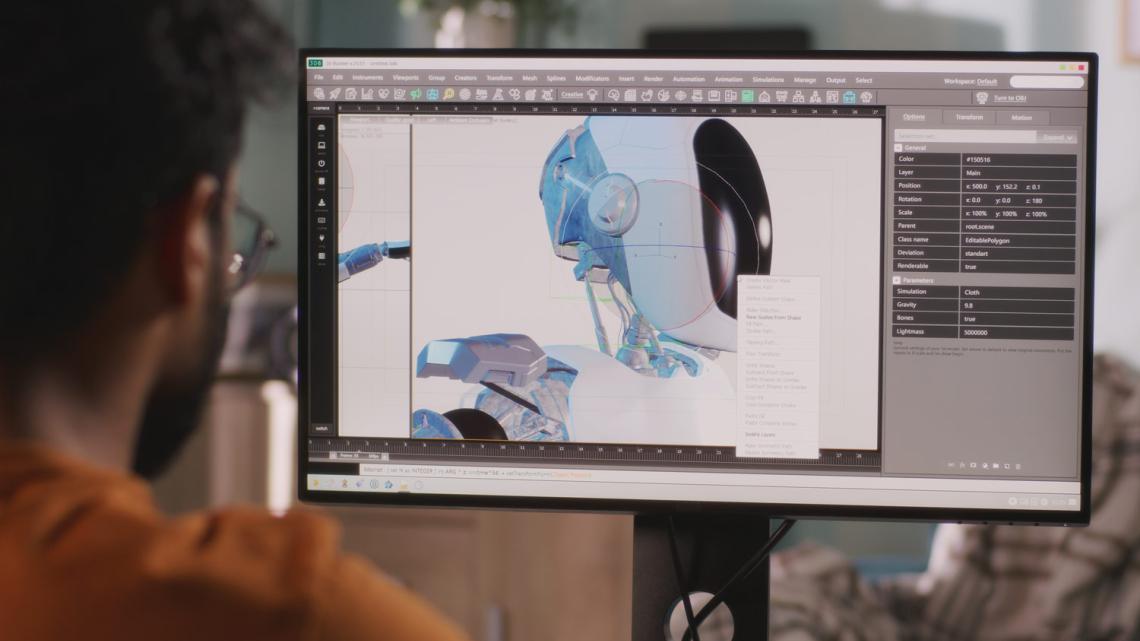
If you think animation is just putting pencil to paper, there’s much more to it. Animation blends visual artistry and storytelling, using movement and emotion to bring ideas to life and create meaning in every frame.
If you’ve ever gotten lost in creative ideas, sketched characters in the margins, or imagined stories unfolding frame by frame, you’re already thinking like an animator. That curiosity may have you wondering whether a career in animation could turn your creativity into a professional path. Perhaps you want to further your education and sharpen your skills to accelerate your animation journey.
This refreshed article helps aspiring creators explore what animators do, whether this path fits your personality and skill set, and how you can turn your passion into a rewarding career.
What Is a Career in Animation?
A career in animation involves creating animated visuals and effects that tell a story or communicate a message across media like film, TV, video games, web content, and advertising. At its core, animation is the art of bringing static images to life, whether through traditional frame-by-frame techniques or sophisticated computer-generated imagery (CGI).
In today’s digital world, animators blend creative storytelling with technical proficiency — often using software like Autodesk Maya, Blender, or Adobe After Effects to craft compelling scenes and characters. Successful professionals showcase their talent and creativity through portfolios that highlight their range and depth.
What Do Animators Do?
Understanding what animators do can help you visualize daily tasks in this field. While responsibilities vary by industry and role, common job duties include:
- Conceptualizing animation ideas and storyboards
- Designing characters and environments
- Animating scenes using software and technology
- Collaborating with directors, designers, and developers
- Refining animations through feedback and revisions
Animators may specialize in areas such as 2D animation, 3D and CGI animation, motion graphics, visual effects (VFX), or character design. Some focus on video games or interactive experiences, while others contribute to animated fields and commercial projects.
Animation Career Outlook & Salary (2025 Insights)
Is working in animation worth it? Let’s look at current industry data:
- Median Salary: According to the U.S. Bureau of Labor Statistics, special effects artists and animators earned a median wage of approximately $99,800 per year as of May 2024.
- Growth Outlook: Employment for animators is expected to grow moderately over the coming decade, with ongoing demand in film, TV, gaming, and digital media.
While growth isn’t as rapid as in some tech fields, creative and technical roles in animation continue to thrive — especially for professionals who blend artistic talent with software expertise.
6 Signs You Should Be Working in Animation
Here are key indicators you might be well-suited for a career in animation, which are drawn from core traits and insights professionals value:
1) You’ve Always Had an Artistic Eye
Maybe your sketchbook pages are filled with characters and scenes, or you instinctively notice visual details others overlook. Animators must translate creative vision into compelling visuals, and an innate artistic sensibility is a powerful advantage in this field.
That artistic foundation gives you a head start toward mastering animation tools and techniques.
2) Deep Concentration Comes Naturally
Successful animators often spend hours refining motion, shapes, timing, and character behaviors. If you find yourself deeply engaged in creative tasks for long periods without losing focus, this ability to concentrate is a valuable asset in animation — where precision and patience count.
In professional settings, uninterrupted focus helps ensure your animations flow smoothly and meet project deadlines.
3) You’re Naturally Curious and Explorative
Curiosity fuels creativity. Exploring new art styles, experimenting with animation tools, and studying real-world movement all deepen your storytelling and animation skills.
Great animators continually expand their knowledge, from mastering design software to discovering new visual trends.
4) You Have Strong Analytical Skills
It might seem surprising, but analytical thinking plays a big role in animation. Animators need to understand how movement and timing work, how software processes visual information, and how to solve technical problems as they arise.
This blend of creative and analytical thinking helps you make effective design decisions, work efficiently, and troubleshoot issues.
5) You Have a Great Sense of Humor and Emotional Insight
Animation often relies on exaggeration, timing, and expressive character behavior, which are qualities deeply tied to emotional intelligence and humor. If you instinctively understand body language, facial expressions, and storytelling nuance, you’re equipped to create animations that resonate with audiences.
6) You’re Passionate About Your Craft
Perhaps the most compelling sign of all: you’re passionate. You look forward to sketching, designing, and iterating your creations. You often spend personal time mastering new tools or improving your craft. True passion fuels perseverance, especially during challenging projects or learning curves.
Passion also motivates you to build a strong portfolio, a key factor employers and clients evaluate when hiring animators.
Core Animation Skills That Employers Value
If you’re aspiring to enter this field, consider cultivating these essential animation skills:
- Software Proficiency
- Blender
- Autodesk Maya
- Adobe After Effects
- Toon Boom Harmony
Knowing industry-standard tools increases your employability and ability to execute complex animations.
- Storyboarding and Visual Storytelling
Translating concepts and scripts into visual sequences helps you design clear, engaging narratives before animating scenes.
- Timing & Motion Principles
Understanding how objects and characters move (including weight, pacing, and emotional expression) elevates your animations from good to unforgettable.
- Portfolio Development
A strong, curated portfolio showcasing diverse work is essential, especially if pursuing freelance gigs or studio roles.
How to Start Becoming an Animator
Here’s a practical roadmap if you’re ready to take the next step:
- Develop Foundational Art Skills – Sketching, composition, color theory.
- Learn Animation Software – Start with tools like Blender or After Effects.
- Create a Portfolio – Build a range of animations showcasing versatility.
- Seek Training or a Certificate – Structured learning accelerates your growth.
- Pursue Internships or Entry Roles – Gain real-world experience and industry contacts.
The Value of Education in Animation
While not every professional needs a formal degree to succeed as an animator, education can provide structured learning, mentorship, and accelerated skill building. This becomes more crucial in a competitive market.
Programs that focus on animation fundamentals, storytelling, technical tools, and real-world project work can be especially helpful for beginning animators or those transitioning careers.
Build Your Career From Creative Passion
If you recognize yourself in several of the signs above and are seriously considering working in animation, you’re already on the right track. With the right combination of skills, persistence, and professional development, you can build a fulfilling career where your creativity becomes your livelihood. NJIT’s Online Graduate Certificate in Animation Essentials is here for you when you’re ready to apply.
